Introduction: The Eternal Allure of Exploration
Travel is more than a movement across geography; it is a journey through culture, emotion, and self-awareness. From ancient pilgrimages to spontaneous weekend getaways, the desire to explore has been hardwired into the human spirit. Travel enriches the soul, broadens perspectives, and teaches lessons that no classroom or screen can impart. In an age of hyper-connectivity and global access, the act of traveling retains its magic—but it now unfolds in increasingly diverse and mindful ways.
Travel in the Modern Age: A Shift in Purpose
Historically, travel was often a privilege reserved for the elite or an undertaking born of necessity—trade, conquest, or religious devotion. Today, it has become a democratized form of enrichment, accessible to broader segments of society. However, modern travel is also marked by a deepening desire for purpose.
Gone are the days when ticking off landmarks from a list defined a trip. Today’s travelers seek experiences that resonate—culinary journeys through Tuscany, wellness retreats in Bali, or volunteering with wildlife conservation teams in Kenya. The soul of travel has shifted from sightseeing to meaning-making.
The Transformative Power of Travel
The benefits of travel extend far beyond leisure or escape. Stepping into unfamiliar territory, both literally and metaphorically, catalyzes personal growth in profound ways:
-
Cultural Empathy: Exposure to different customs, languages, and lifestyles fosters understanding and dismantles prejudice.
-
Creativity and Inspiration: New environments stimulate the senses, sparking innovation and fresh perspectives.
-
Self-Discovery: Being outside one’s comfort zone encourages introspection, confidence, and resilience.
-
Global Awareness: Travelers often return home with a renewed sense of responsibility toward global issues like sustainability and equity.
The lessons learned through travel are often subtle but enduring—etched not only into memory but into the way we navigate our everyday lives.
Types of Travel: A Spectrum of Experiences
No two journeys are the same, and the motivations behind travel are as diverse as the destinations themselves. Recognizing the types of travel can help align intention with experience:
-
Adventure Travel: Think hiking the Inca Trail, skydiving in New Zealand, or diving the Great Barrier Reef.
-
Cultural Travel: Immersing in local traditions, history, and art—be it flamenco in Seville or a tea ceremony in Kyoto.
-
Luxury Travel: Lavish stays in five-star resorts, private yachts, and curated VIP experiences.
-
Eco-Tourism: Exploring nature with a light footprint—trekking in national parks or visiting eco-lodges.
-
Solo Travel: A deeply introspective experience that fosters independence and courage.
-
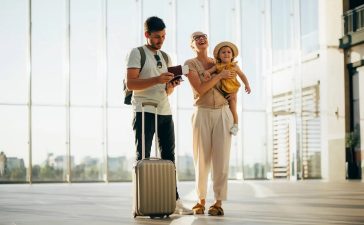
Group and Family Travel: Ideal for bonding and shared memories, whether on a cruise or a road trip through the Rockies.
Each form offers a distinct flavor, yet all share the potential to enrich the traveler in unique and lasting ways.
Sustainable Travel: Responsibility Meets Wanderlust
As global tourism expands, so does its environmental impact. Conscious travel is no longer a niche—it’s a necessity. Travelers today are increasingly aware of their carbon footprint and are actively seeking ways to minimize harm while maximizing impact.
Key principles of sustainable travel include:
-
Choosing Eco-Friendly Accommodations: Properties with green certifications or those committed to renewable energy and waste reduction.
-
Supporting Local Economies: Buying from local artisans, dining at family-run eateries, and hiring local guides.
-
Avoiding Over-Tourism: Visiting off-the-beaten-path destinations and traveling during shoulder seasons.
-
Respecting Culture and Wildlife: Following dress codes, learning a few local phrases, and avoiding exploitative animal attractions.
Sustainable travel is not about sacrifice; it is about intention. It adds depth and responsibility to the journey, turning tourists into global citizens.
Digital Nomadism: Work Without Borders
One of the most significant shifts in modern travel has been the rise of the digital nomad lifestyle. Armed with laptops and stable Wi-Fi, professionals are now untethered from traditional office spaces. From co-working spaces in Bali to beachside cafés in Portugal, work and wanderlust now coexist seamlessly.
This lifestyle has birthed a new breed of traveler—one that seeks balance between productivity and presence. Countries around the world are responding with remote worker visas and infrastructure tailored to this nomadic workforce. For many, travel is no longer a temporary escape but a permanent way of life.
Planning the Perfect Journey: A Thoughtful Approach
A memorable trip begins with thoughtful planning, but spontaneity should never be ruled out. The balance between structure and serendipity often yields the richest experiences.
Consider these key aspects when crafting a journey:
-
Purpose: Are you looking to relax, learn, connect, or recharge?
-
Pace: Allow time to absorb and reflect. Avoid over-scheduling.
-
Immersion: Choose experiences that involve the local culture—cooking classes, homestays, walking tours.
-
Preparation: Research visas, vaccinations, local etiquette, and emergency contacts.
-
Mindset: Approach travel with curiosity, respect, and humility.
Even the most meticulously planned trip will have its surprises—and it’s often these unplanned moments that become the most cherished memories.
The Emotional Legacy of Travel
Long after the suitcases are unpacked and the souvenirs stored away, travel leaves an indelible imprint on the heart. Memories surface unexpectedly—a scent, a taste, a melody—and instantly transport us to another time and place. We carry the places we visit within us, reshaping our understanding of the world and ourselves.
Moreover, travel has the rare ability to bridge divides. It reminds us of our shared humanity, even amidst difference. It is a universal language spoken through shared meals, exchanged smiles, and mutual wonder.
Conclusion: Embracing the Journey, Not Just the Destination
In a world often defined by urgency and routine, travel offers the luxury of presence. It teaches us to observe, to listen, and to feel deeply. It humbles and uplifts, challenges and rewards. Whether across continents or within one’s own country, the essence of travel lies in its power to transform.
To travel is to be fully alive—to engage with the world not as a distant observer, but as a curious participant. As we move through landscapes and lives not our own, we gather stories, friendships, and insights that forever shape our journey. In its purest form, travel is not simply about seeing new places—it is about seeing with new eyes.