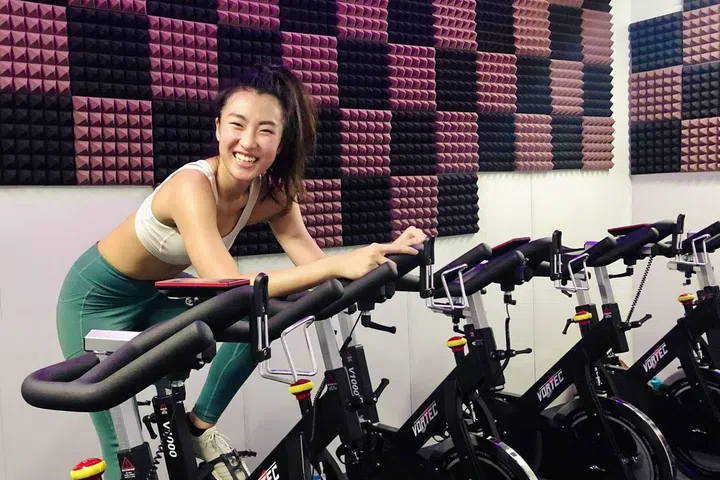
In a city where long workdays, frequent dining out, and limited downtime are common, maintaining stable energy levels and metabolic health can be challenging. Many people focus only on weight loss, but true health sustainability depends on how efficiently the body manages energy, blood sugar, and recovery. This is where indoor cycling singapore stands out as a practical solution, offering structured workouts that improve metabolic function while fitting into demanding urban schedules.
Indoor cycling is not just about sweating through a session. When practised consistently, it helps the body regulate glucose, improve insulin sensitivity, and maintain steady energy throughout the day. These benefits are especially relevant in Singapore, where sedentary work patterns and irregular eating times are common.
Understanding Metabolic Health in an Urban Context
Metabolic health refers to how efficiently the body converts food into energy and manages key processes such as blood sugar control, fat storage, and hormonal balance. Poor metabolic function often leads to fatigue, cravings, weight gain, and increased risk of chronic conditions.
Urban lifestyles can negatively affect metabolism due to:
-
Prolonged sitting and limited daily movement
-
High stress levels that disrupt hormonal balance
-
Inconsistent meal timing and frequent eating out
-
Reduced sleep quality
Indoor cycling directly addresses several of these factors by creating a controlled, repeatable stimulus that trains the body to process energy more effectively.
How Indoor Cycling Improves Insulin Sensitivity
One of the most important aspects of metabolic health is insulin sensitivity. When insulin sensitivity improves, the body uses glucose more efficiently, reducing fat storage and energy crashes.
Muscle Activation and Glucose Uptake
During indoor cycling, large muscle groups are continuously engaged. Active muscles require glucose for fuel, prompting the body to transport sugar from the bloodstream into muscle cells.
Over time, this process:
-
Improves insulin efficiency
-
Reduces blood sugar spikes after meals
-
Supports stable energy levels throughout the day
This is particularly valuable for individuals who experience afternoon fatigue or frequent sugar cravings.
Consistent Training and Metabolic Adaptation
Unlike sporadic workouts, indoor cycling encourages consistency. Regular sessions help the body adapt by becoming more efficient at energy usage. These adaptations contribute to improved metabolic flexibility, meaning the body can switch between burning carbohydrates and fats more effectively.
Energy Balance and Appetite Regulation
Many people struggle with appetite control, especially in environments where food is easily accessible. Exercise plays a key role in regulating hunger signals, and indoor cycling has a unique advantage due to its intensity and structure.
Hormonal Effects on Appetite
Indoor cycling influences hormones that regulate hunger and fullness. Regular participation can help:
-
Reduce excessive hunger signals
-
Improve awareness of true hunger versus stress eating
-
Support healthier portion control
Rather than relying on strict dieting, many participants find that consistent cycling naturally encourages better eating habits.
Managing Energy Highs and Lows
Energy crashes often result from poor glucose regulation and prolonged inactivity. Indoor cycling helps smooth out these fluctuations by improving circulation and metabolic efficiency.
People who cycle regularly often report:
-
More stable energy during work hours
-
Reduced reliance on caffeine or sugary snacks
-
Improved focus after training days
These benefits extend well beyond the workout itself.
Indoor Cycling and Fat Utilisation
Metabolic health is closely linked to how effectively the body uses fat as an energy source. Indoor cycling sessions are often designed with varied intensity, encouraging the body to tap into both carbohydrate and fat stores.
Interval Training and Fat Oxidation
Indoor cycling frequently incorporates intervals, alternating between higher resistance efforts and recovery phases. This approach enhances fat oxidation over time by training the body to use stored energy more efficiently.
As a result:
-
Fat utilisation improves during and after exercise
-
Metabolic rate remains elevated post-workout
-
Long-term body composition changes become more sustainable
Supporting Lean Muscle Maintenance
Preserving lean muscle is essential for metabolic health. Muscle tissue requires energy even at rest, contributing to a higher resting metabolic rate. Indoor cycling supports muscle maintenance, particularly in the lower body, which helps sustain metabolic efficiency as people age.
Adapting Indoor Cycling to Busy Singapore Schedules
One of the biggest barriers to consistent exercise is time. Indoor cycling addresses this challenge by offering predictable, time-bound sessions that fit into structured routines.
Time Efficiency Without Compromising Results
Most indoor cycling classes last under an hour, yet deliver comprehensive cardiovascular and muscular benefits. This efficiency makes it easier to maintain regular training without sacrificing work or family commitments.
Because sessions are instructor-led, there is no time wasted planning workouts or adjusting routines. Participants simply follow the session, making each visit productive and focused.
Consistency Over Intensity
Metabolic health improves through regular moderate-to-high intensity activity rather than occasional extreme workouts. Indoor cycling supports this by offering scalable intensity levels, allowing participants to train consistently without burnout.
This consistency is especially important for professionals who cannot afford extended recovery periods due to demanding schedules.
The Importance of a Supportive Training Environment
A structured environment enhances adherence and results. Well-designed indoor cycling programs ensure that workouts support metabolic health rather than contribute to excessive fatigue.
Facilities such as True Fitness Singapore focus on progressive programming and professional instruction. Instructors guide participants through intensity changes that challenge the body while allowing adequate recovery, which is essential for metabolic adaptation.
This balance helps prevent overtraining, which can negatively affect metabolism and energy levels.
Integrating Indoor Cycling With Daily Habits
For optimal metabolic benefits, indoor cycling works best when paired with supportive daily habits rather than extreme lifestyle changes.
Simple strategies include:
-
Eating balanced meals with adequate protein
-
Staying hydrated throughout the day
-
Avoiding long periods of uninterrupted sitting
-
Prioritising regular sleep routines
Indoor cycling complements these habits by reinforcing energy awareness and encouraging a more active daily rhythm.
Long-Term Metabolic Benefits Beyond Weight Loss
While many people begin indoor cycling with aesthetic goals, the deeper benefits lie in long-term metabolic resilience. Improved insulin sensitivity, stable energy, and efficient fat utilisation contribute to overall health and reduce the risk of lifestyle-related conditions.
These benefits become increasingly valuable as work demands and responsibilities grow over time.
Frequently Asked Questions
Can indoor cycling help improve blood sugar control?
Yes. Regular indoor cycling improves insulin sensitivity and helps muscles utilise glucose more efficiently, supporting better blood sugar regulation.
How often should I cycle for metabolic health?
Three to four sessions per week are generally effective for improving metabolic function and maintaining steady energy levels.
Is indoor cycling suitable for people with low energy levels?
Yes. While initial sessions may feel challenging, consistent training often leads to improved daily energy and reduced fatigue.
Does indoor cycling require dietary changes to see metabolic benefits?
Extreme dietary changes are not necessary. Indoor cycling works well alongside balanced, mindful eating habits.
Can indoor cycling support healthy ageing?
Indoor cycling supports muscle maintenance, cardiovascular health, and metabolic efficiency, all of which are important for healthy ageing.
Is indoor cycling effective even if I sit for long hours at work?
Yes. Indoor cycling helps counteract the metabolic effects of prolonged sitting by improving circulation and energy regulation.
Indoor cycling continues to be a practical and effective way to support metabolic health in Singapore’s urban environment. By improving how the body manages energy and adapts to daily demands, it offers benefits that extend far beyond the workout studio and into everyday life.