Introduction: More Than Machines on Wheels
The automobile has long been more than a mode of transport. It is a symbol of freedom, personal expression, and mechanical ingenuity. From the earliest horseless carriages to today’s electric supercars, the auto industry has consistently mirrored humanity’s aspirations—speed, elegance, progress, and control. It represents a fusion of engineering precision and emotional connection, where aesthetics and utility share the driver’s seat. As we stand on the brink of a new era defined by electrification and automation, the story of the automobile continues to evolve, reshaping not only how we travel, but how we live.
A Brief History of the Automobile: From Steam to Silicon
The journey of the automobile is a compelling narrative of innovation and adaptation. Its roots reach back to the 18th century, when steam-powered vehicles began to emerge. However, the modern auto industry truly accelerated in the late 19th and early 20th centuries.
Milestones in automotive history include:
-
1886: Karl Benz patents the Benz Patent-Motorwagen, considered the first true automobile.
-
1908: Henry Ford introduces the Model T and the moving assembly line, revolutionizing mass production.
-
1950s–60s: The golden age of design, with tailfins, chrome, and cultural flair defining cars in the U.S. and Europe.
-
1980s–90s: Japanese automakers gain prominence with fuel-efficient, reliable vehicles.
-
2000s–Present: The rise of hybrid and electric cars, autonomous driving technologies, and software-centric models.
These decades have shaped the automobile not only as a product but as a cultural and technological touchstone.
The Anatomy of an Automobile: More Than Steel and Rubber
A car is an intricate blend of mechanical, electrical, and digital systems, each harmonized to provide safety, performance, and comfort.
Key components include:
-
Engine/Powertrain: The heart of the vehicle—be it internal combustion, hybrid, or electric—that propels the car forward.
-
Chassis and Suspension: Ensures structural integrity and smooth ride dynamics.
-
Transmission: Manages power delivery to the wheels, available in manual, automatic, or continuously variable forms.
-
Braking System: Includes disc brakes, anti-lock systems (ABS), and regenerative braking in EVs.
-
Infotainment and Electronics: Navigation, media, connectivity, and digital interfaces that enhance the driving experience.
-
Safety Systems: Airbags, crumple zones, and advanced driver-assistance systems (ADAS) like lane assist and collision avoidance.
Each element plays a role in defining a vehicle’s identity, blending function with user experience.
Automotive Culture: Where Passion Meets Performance
The automobile has long held a powerful place in popular culture and personal identity. For many, cars are not just machines—they are symbols of status, freedom, and lifestyle.
Elements of car culture include:
-
Motorsports: From Formula 1 to NASCAR, racing showcases the pinnacle of performance and engineering.
-
Classic Car Enthusiasm: Vintage models like the Jaguar E-Type or Ford Mustang evoke nostalgia and admiration.
-
Customization and Tuning: Enthusiasts personalize vehicles for aesthetics, speed, or off-road capability.
-
Road Trips and Travel: The car remains a central element in leisure and exploration, particularly in countries with vast landscapes like the U.S., Australia, and Canada.
Cars have inspired films, songs, and fashion trends, highlighting their deep cultural resonance.
The Electric Revolution: A Shift Toward Sustainability
In recent years, the auto industry has undergone a seismic shift. Growing environmental concerns, regulatory pressures, and technological breakthroughs have accelerated the transition to electric vehicles (EVs).
Benefits of EVs include:
-
Zero Tailpipe Emissions: Crucial for reducing urban air pollution and combating climate change.
-
Lower Operating Costs: Electricity is often cheaper than gasoline, and EVs require less maintenance.
-
Instant Torque and Smooth Driving: Electric motors deliver swift acceleration and quiet operation.
-
Innovation in Design: Without traditional engines, designers have more freedom in vehicle architecture.
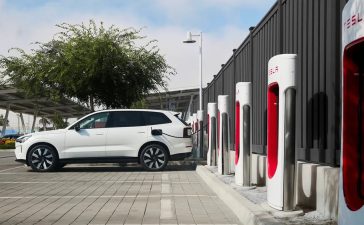
Leading the charge are companies like Tesla, Rivian, Lucid Motors, and legacy automakers like Ford, Volkswagen, and BMW, all investing heavily in electrification. Charging infrastructure, battery technology, and energy grid integration are now critical to the automotive future.
Autonomous Driving: Reimagining Mobility
Autonomous or self-driving vehicles represent the next frontier in automotive innovation. Using a combination of sensors, artificial intelligence, and real-time data processing, these vehicles aim to reduce accidents, increase accessibility, and transform urban planning.
Levels of vehicle autonomy range from:
-
Level 0: No automation—fully manual.
-
Level 1–2: Basic assistance like cruise control and lane keeping.
-
Level 3–4: Conditional and high automation in specific environments.
-
Level 5: Full autonomy without human intervention under any condition.
Challenges remain—legal, ethical, and infrastructural—but pilot programs and advanced prototypes suggest a future where mobility is safer, smarter, and more inclusive.
The Role of Software: The Car as a Connected Device
Modern vehicles are increasingly defined by software rather than hardware. With features like over-the-air updates, voice assistants, and app integrations, cars now function as smart devices on wheels.
Software trends reshaping autos:
-
Digital Cockpits: Touchscreens, digital dashboards, and customizable user interfaces.
-
Telematics: Real-time vehicle data for diagnostics, fleet management, and user behavior analysis.
-
Cloud Connectivity: Seamless integration with smart homes, mobile apps, and cloud-based services.
-
Cybersecurity: As cars become more connected, protecting them from digital threats is paramount.
Automakers are hiring software engineers as aggressively as mechanical designers, signaling a paradigm shift in automotive priorities.
Challenges and Considerations: The Road Ahead
The future of the auto industry is exciting but not without hurdles. To thrive, it must navigate a landscape of evolving demands and responsibilities.
Key concerns include:
-
Supply Chain Disruptions: Semiconductor shortages have exposed vulnerabilities in global production models.
-
Environmental Impact: Even EVs pose sustainability challenges related to battery sourcing and recycling.
-
Affordability: Advanced technology can increase costs, potentially limiting access for lower-income consumers.
-
Urban Planning: Cities must adapt to new mobility models with improved infrastructure, zoning, and policies.
Success will depend on collaboration between automakers, governments, technology firms, and consumers.
Conclusion: Driving Toward a Purposeful Future
The story of the automobile is one of constant reinvention. From dusty roads to digital highways, cars have carried us through epochs of change and innovation. As we look ahead, the automobile remains a powerful emblem of both personal freedom and collective progress.
Whether it hums silently down an electric lane or navigates city streets on its own, the car continues to define our relationship with movement, identity, and possibility. In an age shaped by climate, technology, and human aspiration, the automobile is not just adapting—it is accelerating into a smarter, cleaner, and more connected future. And as always, the journey promises to be extraordinary.