The automotive landscape is undergoing a monumental transformation as electric vehicles shift from a specialized market segment into the dominant force driving global transportation. Across major economies and rapidly developing nations alike, drivers, commercial fleets, and transit agencies are transitioning away from internal combustion engines. This global acceleration is no longer dependent solely on early adopters or government subsidies. Instead, it is fueled by dramatic technological improvements, falling production costs, expanding charging networks, and an expanding lineup of vehicle models that cater to diverse buyer needs.
As global sales numbers reach unprecedented levels, the electrification of transport is reshaping industrial supply chains, energy grids, and urban planning worldwide. Understanding how and why this transition is occurring requires examining the economic, technological, and regional factors propelling electric vehicles into the mainstream.
Key Drivers Fueling Global Electric Vehicle Growth
The sustained expansion of electric vehicle adoption relies on several converging factors that make battery electric models increasingly competitive with traditional internal combustion engine vehicles.
-
Falling Battery Costs and Technical Innovation: The traction battery remains the single most critical and expensive component in an electric vehicle. Over the past decade, pack-level battery prices have dropped significantly due to manufacturing scale, process refinements, and material chemistry improvements. The widespread adoption of lithium iron phosphate chemistry has lowered production costs while enhancing safety and cycle life. At the same time, ongoing advances in cell-to-pack architecture and high-nickel formulations continue to boost energy density, extending single-charge driving ranges past traditional consumer anxiety thresholds.
-
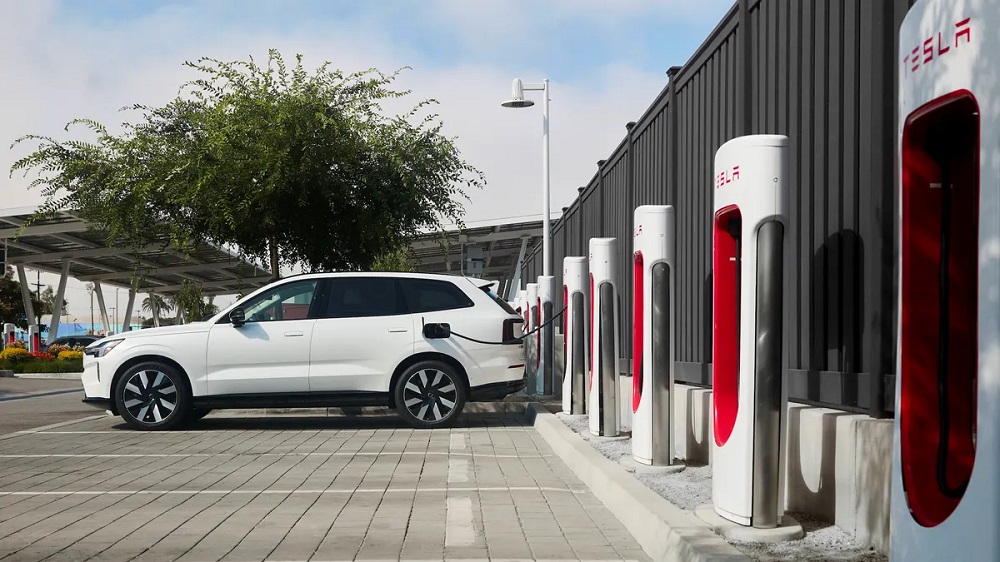
Expanding Charging Infrastructure: A major hurdle for prospective buyers has historically been range anxiety and public charging availability. Massive investments from public infrastructure funds, energy utility companies, and private charging operators have significantly expanded public charging points worldwide. Ultra-fast direct current chargers capable of delivering hundreds of miles of range in fifteen to twenty minutes are becoming standard along major highway corridors, making long-distance travel increasingly viable.
-
Approaching Price Parity and Total Cost Ownership: While the initial purchase price of an electric car has historically been higher than a comparable gasoline vehicle, that gap is closing rapidly. When factoring in the lower cost of electricity per mile compared to fossil fuels, combined with substantially reduced mechanical maintenance needs due to having far fewer moving parts, electric vehicles offer a compelling total cost of ownership advantage over a typical vehicle lifespan.
-
Regulatory Mandates and Corporate Fleet Commitments: National and local governments continue to implement stricter fleet average emissions standards, fuel economy targets, and zero-emission vehicle mandates. Simultaneously, major corporate enterprises are committing to net-zero logistics, pushing commercial delivery fleets, ride-hailing services, and rental agencies toward rapid fleet electrification.
Regional Dynamics Across the Global Market
Electric vehicle adoption is progressing worldwide, though the pace and characteristics of growth vary across key regions due to local industrial policy, consumer purchasing power, and infrastructure development.
China and the Asia-Pacific Region
China remains the undeniable center of gravity for the global electric vehicle industry, accounting for more than half of all electric passenger cars sold worldwide. Strong vertical integration across raw material refining, cell manufacturing, and vehicle assembly has enabled domestic automakers to deliver affordable, high-tech electric vehicles across every market segment. Furthermore, the rapid rollout of public charging infrastructure and battery-swapping stations has accelerated adoption beyond tier-one megacities into smaller urban centers.
Elsewhere in the Asia-Pacific region, nations like Vietnam, Thailand, and Singapore are recording rapid adoption gains. In Southeast Asia, local manufacturing hubs and open import policies have allowed affordable electric vehicles to capture significant market share rapidly.
Europe
Europe represents one of the most mature electric vehicle markets globally. Tightening European Union fleet emission regulations and aggressive corporate sustainability mandates have driven automotive manufacturers to transition their core product lineups to electric powertrains. While incentive structures have evolved from direct purchase rebates toward taxation policies and low-emission urban zones, consumer demand remains resilient across Western and Northern European markets.
North America
In North America, adoption is driven by a combination of federal tax incentives, state-level zero-emission mandates, and massive investments in domestic manufacturing facilities. Automakers are expanding choices beyond traditional sedans and compact crossovers to include full-sized pickup trucks, large SUVs, and commercial vans tailored to North American driving habits. Infrastructure expansion along major interstate highways continues to improve cross-country travel reliability.
Emerging Markets and Developing Economies
Emerging economies across Latin America, South Asia, and parts of the Middle East are experiencing a surge in electric mobility. In countries like Brazil, Mexico, and India, growth is driven not only by passenger cars but also by two-wheelers, three-wheelers, and public transit buses. Lower operating costs per kilometer make electric powertrains especially attractive for commercial operators and high-utilization urban drivers in these regions.
Fleet Electrification and Commercial Transportation
While consumer passenger cars account for the largest volume of electric vehicles on the road, commercial fleet electrification plays an essential role in driving total energy displacement.
-
Last-Mile Delivery Vans: Logistics and e-commerce companies are rapidly replacing diesel vans with electric alternatives. Predictable daily routes and central depot charging overnight make delivery fleets an ideal application for full electrification.
-
Municipal Transit Buses: Cities worldwide are phasing out diesel buses in favor of battery-electric transit vehicles. Electric buses eliminate tailpipe emissions in dense urban areas, reduce urban noise pollution, and provide transit agencies with lower long-term fuel and maintenance overhead.
-
Medium and Heavy-Duty Freight: Freight transportation is beginning its electrification journey. Regional distribution trucks operating on predictable routes from fulfillment centers are adopting battery electric systems, while heavy long-haul freight benefits from rapid megawatt charging standards currently under development.
Overcoming Grid and Supply Chain Challenges
As electric vehicle numbers scale into hundreds of millions, power grids and supply chains are evolving to support the demand. Utilities are deploying smart charging software that encourages vehicle charging during off-peak hours or periods of peak renewable energy generation, such as midday solar abundance or overnight wind power. These load-management strategies prevent grid overload and optimize electricity pricing for drivers.
Simultaneously, the global automotive supply chain is diversifying its material sourcing and expanding battery recycling capacity. Closed-loop recycling facilities now recover valuable metals such as lithium, nickel, cobalt, and copper from end-of-life batteries and manufacturing scrap, reducing reliance on raw material mining and building a more sustainable circular economy.
Frequently Asked Questions (FAQ)
What happens to electric vehicle batteries when they reach the end of their usable automotive life?
When an electric vehicle battery degrades to roughly 70 to 80 percent of its original capacity, it may no longer offer the range required for vehicle propulsion. However, the battery still retains substantial storage capacity. These used battery packs are frequently repurposed into second-life stationary energy storage systems for solar power backup, commercial buildings, or grid stabilization. Once the battery can no longer serve a stationary storage role, it is sent to specialized recycling facilities where hydrometallurgical or pyrometallurgical processes recover over 90 percent of its critical minerals for use in manufacturing brand new battery cells.
How do extreme hot or cold weather conditions affect electric vehicle battery range and performance?
Extreme temperatures impact battery performance because chemical reactions inside lithium-ion cells slow down in severe cold, while climate control systems require energy to heat or cool the cabin. In freezing conditions, drawing power to warm the interior can temporarily reduce effective driving range by 20 to 30 percent. Modern electric vehicles mitigate this issue by incorporating heat pumps, which are significantly more energy-efficient than traditional resistive heaters, and liquid thermal management systems that keep the battery pack within its optimal operating temperature window during both driving and charging.
What is bidirectional charging, and how does Vehicle-to-Grid technology work?
Bidirectional charging allows energy to flow both into and out of an electric vehicle battery. Rather than acting strictly as energy consumers, vehicles equipped with Vehicle-to-Load, Vehicle-to-Home, or Vehicle-to-Grid capabilities can discharge electricity to power external tools, household appliances, or entire homes during a blackout. On a broader scale, Vehicle-to-Grid technology enables thousands of parked electric vehicles to feed excess stored power back into the electrical grid during peak demand periods, helping utilities stabilize energy supply and paying vehicle owners for their stored energy.
Do electric vehicles require special tires, and why do they tend to wear out faster if not properly maintained?
Electric vehicles are typically heavier than their gasoline counterparts due to the mass of the battery pack, and their electric motors deliver instant torque from a complete standstill. This combination of weight and immediate acceleration places greater stress on tires. Tire manufacturers design specialized electric vehicle tires using advanced rubber compounds, reinforced sidewalls, and noise-dampening foam layers to manage the extra weight, reduce rolling resistance for better efficiency, and quiet cabin noise. Regular tire rotations and moderate acceleration habits help ensure standard tire lifespans.
How do insurance costs for electric vehicles compare to traditional gasoline-powered cars?
Insurance premiums for electric vehicles can sometimes be slightly higher than those for comparable gasoline vehicles. This difference is primarily driven by the higher initial purchase price of the vehicle, complex sensor arrays embedded in bumpers and body panels that require specialized recalibration during repairs, and the high replacement cost of undamaged structural battery packs following a collision. As repair networks expand, technician training becomes widespread, and component prices decline, the gap between electric and traditional vehicle insurance costs is steadily narrowing.
Can existing electrical power grids handle a rapid, widespread shift to electric vehicles without collapsing?
Yes, existing power grids can accommodate widespread electric vehicle adoption when charging is managed intelligently. Most electric vehicles are charged overnight during off-peak hours when overall electricity demand from industrial and residential users is at its lowest point. Utilities are increasingly adopting time-of-use rate structures that offer discounted electricity prices during night hours, encouraging drivers to charge when grid capacity is underutilized. Additionally, smart charging software can automatically pause or slow down charging during unexpected grid stress, preventing localized power disruptions.
How does the total lifespan environmental footprint of an electric vehicle compare to driving a gasoline vehicle?
Although manufacturing an electric vehicle generates higher upfront carbon emissions than producing a conventional internal combustion vehicle—primarily due to the energy required for battery cell production and mineral extraction—the electric vehicle quickly offsets this initial carbon debt during operation. Because electric motors are roughly three times as efficient at converting energy into movement compared to internal combustion engines, and because power grids are increasingly powered by renewable solar, wind, and hydroelectric energy, an electric vehicle typically achieves net carbon savings within one to two years of normal driving compared to a fossil fuel vehicle.