
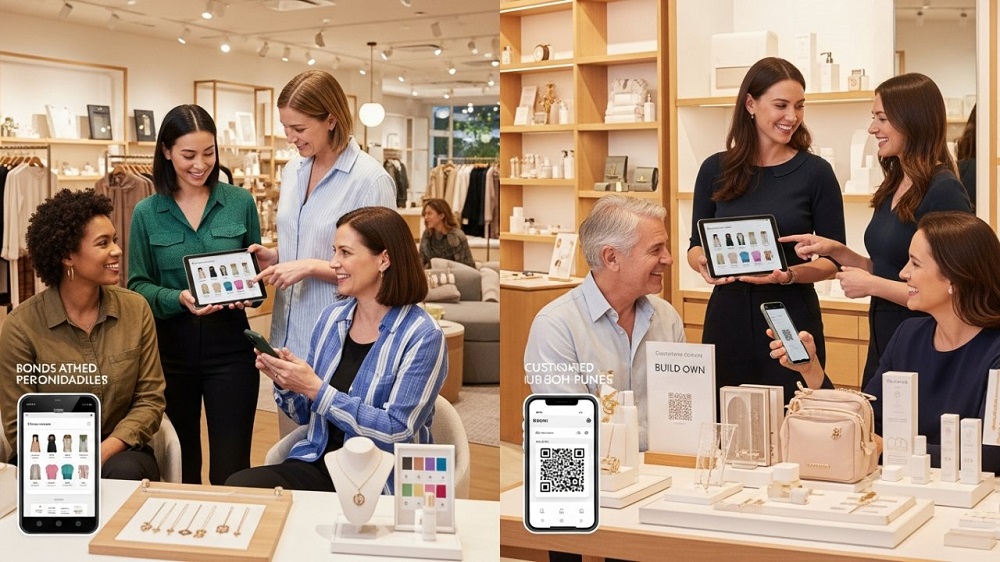
Modern retail has evolved beyond mere transactional convenience. Consumers no longer evaluate brands solely on product availability or competitive pricing. Instead, they expect tailored interactions that recognize their unique preferences, purchase histories, and individual lifestyle needs. Generic marketing mass emails, static storefronts, and broad promotional blasts are rapidly losing effectiveness in an overcrowded digital marketplace.
Personalized shopping experiences bridge the gap between digital efficiency and human connection. By leveraging customer data, behavioral analytics, and modern machine learning frameworks, businesses can curate tailored customer journeys across online and offline touchpoints. When implemented thoughtfully, personalization reduces cognitive friction, elevates brand affinity, and drives sustained customer satisfaction.
Defining Personalization in Modern Retail
At its core, retail personalization involves tailoring the shopping journey to individual consumers based on historical and real-time data. Rather than treating an audience as a monolithic market segment, personalized retail analyzes browsing behavior, transaction histories, demographic profiles, and contextual signals to deliver relevant content and product options.
Personalization operates across multiple operational dimensions:
-
Tailored Product Recommendations: Presenting curated items based on past purchases, complementary merchandise, or collaborative filtering algorithms.
-
Dynamic Content Customization: Adjusting homepage displays, search results, and banner advertisements to mirror an individual demonstrated preferences.
-
Contextual Communication: Delivering targeted emails, mobile push notifications, and promotional incentives timed to specific user actions or lifecycle stages.
-
Omnichannel Continuity: Synchronizing preferences, saved shopping carts, and interaction histories seamlessly between online platforms and physical retail locations.
True personalization goes beyond simply addressing a customer by name in an email subject line. It requires constructing a coherent, value-driven experience that respects buyer intent and eliminates unnecessary steps in the path to purchase.
The Psychological Impact of Personalization on Consumers
Understanding why personalized experiences increase customer satisfaction requires examining the underlying psychological mechanics that influence consumer behavior. Tailored shopping touches on fundamental cognitive needs, turning routine purchasing into a rewarding interaction.
Reducing Choice Overload and Decision Fatigue
Modern consumers face an overwhelming volume of options. When entering an online store with thousands of SKUs, filtering through irrelevant products causes cognitive exhaustion, often leading to cart abandonment.
Personalization acts as an intelligent discovery filter. By highlighting products that align with a buyer’s past behavior, aesthetic preferences, or size requirements, brands reduce the mental effort required to make a purchase decision. When shopping feels effortless and curated, overall satisfaction rises significantly.
Validating Individual Identity and Fostering Belonging
Consumers naturally gravitate toward brands that demonstrate an understanding of their lifestyle choices and values. When a retail experience reflects a customer specific tastes, it creates a subtle psychological validation.
Customized interactions signal that a company values the customer as an individual rather than a static revenue entry. This feeling of being understood builds emotional capital, shifting the customer-brand relationship from a purely transactional interaction to an ongoing partnership.
Recreating the Relationship-Driven In-Store Experience
Before digital commerce dominated the retail landscape, customer satisfaction relied heavily on local store merchants who knew their regulars by name, remembered their style choices, and held items tailored to their tastes.
Digital personalization replicates that high-touch merchant relationship at scale. Modern predictive algorithms allow digital platforms to offer the same attentive, tailored service that shoppers historically enjoyed in boutique brick-and-mortar stores.
Key Strategies Driving Personalized Shopping Experiences
Delivering impactful personalization requires coordinating technology, data architecture, and creative strategy. Retailers utilize several core frameworks to build intuitive, high-satisfaction shopping journeys.
Dynamic Website and App Interfaces
Modern retail web applications adapt dynamically based on who is viewing the page. First-time visitors might see top-rated general bestsellers and introductory brand messaging, while returning customers see personalized product grids based on recent search queries or abandoned cart items.
Dynamic search capabilities also play a central role. Intelligent search engines automatically correct typos, prioritize preferred brand categories, and adjust result rankings based on individual price sensitivities and past filtering habits.
Predictive Product Recommendations
Machine learning models evaluate millions of data points to predict what a buyer is most likely to need next. These recommendation engines operate at key transition points throughout the buyer journey:
-
Cross-Selling on Product Pages: Suggesting items that complement the product currently being viewed, such as matching accessories or compatible software.
-
Personalized Up-Selling: Displaying premium variations or upgraded packages tailored to buyers who historically favor high-tier options.
-
Post-Purchase Replenishment: Predicting when consumable products like skincare, coffee, or household goods are running low and sending timely reorder prompts.
Tailored Loyalty Programs and Incentives
Generic loyalty schemes offering standard point accruals are increasingly replaced by personalized reward structures. Instead of offering discounts on categories a customer never shops, advanced loyalty programs distribute custom rewards based on individual buying habits.
For example, a customer who exclusively purchases outdoor running gear receives early access to new footwear drops rather than promotions for general athletic wear. Custom rewards increase program participation, drive higher redemption rates, and deepen brand loyalty.
Guided Selling and Interactive Quizzes
Product discovery tools, such as interactive fit finders, skincare diagnostics, and gift guides, allow shoppers to input specific preferences in exchange for customized recommendations.
Interactive quizzes serve a dual purpose. They provide immediate utility to the consumer by narrowing down complex catalogs into precise choices, while simultaneously providing zero-party data that the retailer can use to refine future interactions.
How Personalization Elevates Overall Customer Satisfaction
When executed accurately, personalized shopping initiatives yield direct improvements across every major metric measuring customer satisfaction and brand health.
Smoother Purchase Friction and Time Savings
Time is one of the most valuable commodities for modern consumers. Personalization streamlines navigation, automates repetitive search tasks, and pre-fills user preferences, drastically shortening the time required to locate and purchase desired items. Eliminating checkout hurdles directly correlates with higher customer satisfaction scores.
Increased Confidence in Purchase Decisions
Uncertainty is a primary driver of post-purchase regret and product returns. Personalized sizing charts, curated style bundles, and targeted user reviews from buyers with similar demographic profiles give consumers higher confidence in their selections, resulting in lower return rates and higher initial product satisfaction.
Improved Re-Engagement and Post-Purchase Care
Customer satisfaction extends far beyond the point of transaction. Personalized post-purchase communications, such as tailored setup guides, relevant usage tips, and customized care instructions, help customers get maximum value out of their purchases, cementing a positive impression of the brand long after the package arrives.
Overcoming Personalization Challenges and Respecting Privacy
While personalization drives satisfaction, poor execution can have the opposite effect. Retailers must carefully navigate data privacy standards, intrusive targeting, and technical implementation hurdles.
Balancing Personalization with Consumer Privacy
Consumers demand relevant experiences, but they are rightfully cautious regarding how their personal data is harvested and utilized. Intrusive tracking practices or overly hyper-targeted advertisements can feel uncomfortable to buyers.
To maintain trust, businesses must prioritize transparency and data protection:
-
Clear Data Consent: Clearly explaining what data is collected and how it will be used to improve the shopping experience.
-
Prioritizing Zero-Party Data: Relying on information explicitly shared by consumers through preference centers and interactive quizzes rather than invasive third-party tracking.
-
Robust Data Security: Safeguarding customer profiles against data leaks and unauthorized access to protect consumer privacy.
Personalization should feel helpful and intuitive, never invasive or coercive.
Avoiding the Filter Bubble Effect
Over-optimizing recommendation algorithms around past behavior risks trapping shoppers in a filter bubble, restricting exposure to new product lines or evolving tastes. Retailers should balance predictive recommendations with curated discovery elements, introducing novel product categories and trending items alongside personalized choices.
Frequently Asked Questions
What is the difference between zero-party data and first-party data in personalization?
First-party data is collected implicitly through a user behavior on a brand platform, such as page views, click patterns, and purchase history. Zero-party data is information that a customer intentionally and proactively shares with a brand, such as survey responses, style preferences, fit requirements, and explicit account settings.
How can small retailers implement personalization on a limited budget?
Small retailers can utilize accessible, turnkey commerce tools and marketing automation software that offer built-in recommendation engines. Starting with basic segmentations, such as personalized email triggers based on past purchases, custom product recommendation widgets, and interactive preference quizzes, allows small businesses to personalize experiences without building proprietary tech.
Can excessive personalization harm customer satisfaction?
Yes, excessive or inaccurate personalization can harm customer relationships. Recommending products a customer has already purchased, displaying incorrect location-based offers, or using overly personal data in unexpected ways can make shoppers feel uncomfortable or frustrated. Personalization must remain relevant, accurate, and respectful of boundaries.
How does personalization function in physical brick-and-mortar stores?
Physical stores use digital integration to personalize offline visits. Examples include mobile app integration that alerts staff when a loyal customer enters, digital clienteling tools that allow store associates to view an online wish list, and mobile checkout options that sync online loyalty balances during in-person purchases.
What key performance indicators measure the effectiveness of personalization?
Retailers track metrics such as Customer Satisfaction Scores, Net Promoter Scores, conversion rates, average order value, repeat purchase rates, customer lifetime value, and return rates. Positive shifts across these metrics indicate that personalization initiatives are creating value for shoppers.
How does artificial intelligence improve retail personalization?
Artificial intelligence processes vast datasets in real time to uncover complex behavioral patterns that human analysts might miss. AI algorithms update recommendation feeds instantly as a user browses, adjust pricing and inventory dynamic messaging, predict future customer needs, and automate hyper-relevant content delivery across multiple channels simultaneously.


