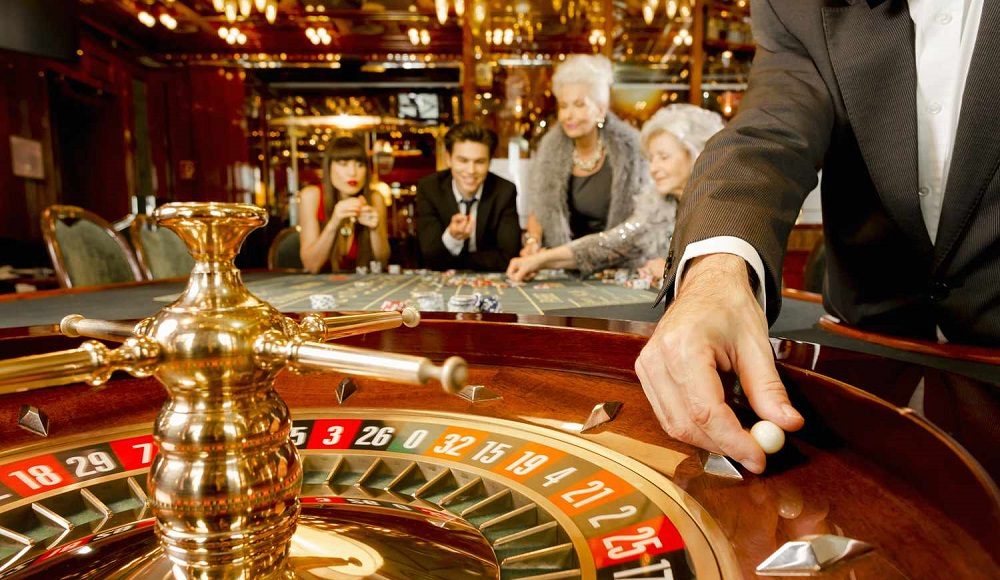
The digital revolution has reshaped almost every sector of modern media, and casino entertainment stands as one of its most dynamic transformations. For decades, casino gaming was defined by physical destination resorts, brightly lit floor layouts, and localized slot machines. The emergence of online gambling brought these experiences to personal computers and mobile devices, but the core activity remained a solitary exercise between a player and a algorithm.
Live streaming platforms changed this dynamic entirely. By broadcasting live gameplay to global audiences, content creators transformed casino games from private bets into interactive public spectacles. Today, millions of viewers log on to platforms like Twitch, Kick, and YouTube to watch streamers spin digital slot reels, manage high-stakes blackjack hands, and participate in live dealer game shows. This convergence of streaming technology and gambling has altered how casinos market their products, how players consume gaming content, and how the industry approaches social interaction.
The Paradigm Shift in Gambling Content
The rise of casino streaming represents a major departure from traditional gambling marketing and entertainment. In the early days of internet casinos, operators relied primarily on search engine marketing, banner advertisements, and direct promotional offers to recruit new players. While these methods attracted interested individuals, they lacked the engaging human element needed to build long-term brand loyalty.
Live streaming introduced charismatic personalities into the equation. Streamers do not merely showcase game rules or payout tables; they share their immediate emotional responses to wins, losses, and high-tension moments. This format creates a level of immersion that static advertising cannot match. Viewers observe every spin or card draw in real time, gaining an authentic preview of game mechanics, volatility, and entertainment value before placing any bets of their own.
Furthermore, streaming has demystified casino games for a younger, digitally native audience. Games that once required a trip to a physical casino or a steep learning curve are now broken down and explained continuously during live broadcasts. Streamers answer audience questions, test out new betting strategies, and explore diverse game themes, effectively turning passive entertainment into an educational masterclass in modern casino offerings.
From Solitary Play to Social Spectatorship
Historically, online casino gaming was criticized for its isolating nature. Playing a digital slot machine or virtual roulette wheel on a laptop lacked the communal energy of a crowded land-based casino floor. Live streaming solved this issue by embedding social interaction into the digital gambling framework.
Modern streaming environments thrive on real-time community participation through interactive chat features. As a streamer places bets, thousands of viewers react simultaneously using chat comments, custom channel emotes, and shared celebrations. This collective experience mimics the excitement of gathering around a hot craps table or high-limit slot zone in Las Vegas.
Several factors explain why audiences tune in to watch others gamble without placing bets themselves:
-
Risk Free Thrills: Viewers experience the suspense and excitement of high-stakes gambling without risking their own personal capital.
-
Community Connection: Live chat rooms foster a sense of belonging among fans who share an interest in specific creators, slot games, or betting strategies.
-
Access to High-Stakes Action: Most casual players cannot afford to wager thousands of dollars per spin. Watching high-roller streamers grants viewers access to elite gambling tiers that would otherwise remain out of reach.
-
Game Discovery: Streaming channels serve as an interactive catalog where players evaluate new slot titles, game providers, and casino platforms before playing with real money.
This shift toward social spectatorship has created a new category of casino consumer: the non-playing fan. A significant portion of live stream audiences rarely or never place bets on real online casinos, choosing instead to consume casino gaming purely as a spectator sport.
Live Dealer Technology and the Virtual Casino Floor
While independent content creators brought casino games to external streaming platforms, casino operators simultaneously adopted streaming technology directly within their own software architectures. The resulting innovation, known as live dealer gaming, has become one of the fastest-growing segments in online gambling.
Live dealer games bridge the gap between physical casinos and digital accessibility. Instead of relying on computer generated graphics and random number generators, live dealer studios broadcast real human dealers managing actual gaming tables in real time. High-definition optical camera technology streams the action directly to players, who place virtual bets through an interactive software overlay.
Interactive Game Shows and Hybrid Genres
The integration of live streaming into casino platforms paved the way for entirely new game formats, most notably casino game shows. Inspired by classic television broadcasts, these games combine wheel-spinning mechanics, multipliers, bonus rounds, and energetic live hosts to create highly entertaining hybrid experiences.
Unlike traditional table games that follow strict, quiet procedures, live game show hosts interact continuously with the audience, call out player usernames, and celebrate collective wins. This blend of theatrical hosting, visual effects, and chance has attracted players who traditional table games or standard slots failed to engage.
Enhanced Transparency and Trust
One of the greatest hurdles for early online casinos was player skepticism regarding fairness. Many users questioned whether software algorithms were genuinely random or subtly rigged in favor of the house. Live streaming helped dissolve these doubts by displaying physical cards, real roulette wheels, and tangible equipment in clear, continuous view. Seeing a dealer shuffle cards or throw a roulette ball in real time restored a level of trust that purely digital interfaces struggled to achieve.
Marketing, Platform Migration, and Creator Ecosystems
The financial relationship between online casino operators and content creators has built a multi-million-dollar marketing ecosystem. Casino brands quickly recognized that top streamers hold immense influence over their audiences, prompting strategic partnerships, affiliate arrangements, and direct channel sponsorships.
In a typical partnership, operators provide creators with special promotional codes, exclusive deposit matches, or direct sponsorship deals. Streamers display these offers on their channel layouts and link directly to partner casino sites. When a viewer registers and deposits through those links, the creator earns a commission or baseline referral fee. This direct funnel has proven to me vastly more cost-effective for operators than traditional digital display ads.
However, the rapid growth of casino streaming has led to significant shifts across major platforms:
-
Policy Restrictions: In response to public concern regarding gambling content, Twitch introduced strict policy updates restricting streams featuring unlicensed or offshore gambling sites.
-
Platform Migration: These restrictions triggered a migration of top gambling creators to alternative platforms, most notably Kick, which emerged as a major hub for casino content creators.
-
Multi-Platform Diversification: Streamers increasingly post edited highlights, massive win compilations, and educational guides across YouTube, TikTok, and Instagram to reach audiences outside live broadcast schedules.
This fluid landscape has forced online casino marketing teams to stay agile, constantly adapting to shifting platform rules while maintaining compliant outreach campaigns.
Ethical Challenges, Regulation, and Transparency
The rapid rise of casino streaming has brought significant ethical questions and regulatory scrutiny. Because live streaming platforms are accessible to global audiences of varying ages, consumer protection groups and government regulators have raised serious concerns about exposure to gambling content.
One primary concern centers on the normalization of high-stakes gambling among younger audiences. When creators routinely place massive bets without displaying the financial consequences of sustained losses, viewers may develop unrealistic expectations regarding win probabilities.
To address these concerns, regulators and streaming platforms have introduced several compliance mandates:
-
Age Gating: Implementing strict age verification and content warnings on streams involving real-money gambling.
-
Financial Transparency: Requiring creators to disclose sponsorships, commercial partnerships, and whether they are playing with real personal funds or casino-provided promotional balances.
-
Responsible Gaming Messaging: Displaying visible disclaimers, problem gambling helpline numbers, and time-out reminders continuously on screen during live broadcasts.
-
Geographic Restrictions: Blocking access to gambling streams in jurisdictions where online casino operations or promotional broadcasts are prohibited by law.
As the industry matures, operators and creators who prioritize transparency and responsible entertainment are far better positioned to build sustainable businesses under tightening regulatory standards.
The Future of Live Streamed Casino Entertainment
Looking ahead, the convergence of streaming technology and casino entertainment shows no signs of slowing down. Emerging technologies promise to make the viewing and playing experiences even more immersive.
Virtual reality and augmented reality are poised to transform live dealer studios into fully interactive, three-dimensional casino environments where online players can walk up to virtual tables alongside other user avatars. Meanwhile, interactive overlay software is enabling direct viewer participation in a streamer gameplay, allowing audiences to vote on strategic moves, participate in group side bets, or pool funds for community jackpot spins.
As technology continues to evolve, live streaming will remain a driving force behind casino innovation, continually blurring the lines between traditional gaming, social media, and digital broadcasting.
Frequently Asked Questions
What makes live streaming different from traditional online casino play?
Live streaming introduces human hosts, real-time social chat, and community interaction to the online gaming environment. Instead of playing alone against a computer algorithm, users can either watch charismatic creators play high-stakes games or participate in live dealer sessions where real human hosts conduct games in real time.
Why do people watch casino streams if they are not betting real money?
Many viewers watch casino streams for pure entertainment value, much like watching video game streams or sporting events. It offers the thrill of high-stakes play, major jackpot wins, and suspense without any personal financial risk. Additionally, viewers enjoy the social atmosphere of the live chat community and learning about new games.
Are live dealer casino games truly fair and random?
Yes, regulated live dealer games operate under strict oversight from official gaming commissions. The games use real, physical equipment such as physical card decks, manual shuffles, and authentic roulette wheels that are filmed continuously in high definition, eliminating reliance on digital random number generators.
How do casino streamers make money from their broadcasts?
Casino creators generate income through multiple channels, including platform ad revenue, viewer subscriptions, direct channel donations, brand sponsorships, and affiliate partnerships with licensed casino operators where they earn commissions for referred players.
How do streaming platforms ensure minors are protected from gambling content?
Platforms use several safeguards, including mandatory mature content warnings, age-gating rules that require account verification, restrictions on advertising referral codes to underage viewers, and strict moderation policies designed to filter out inappropriate audiences.
What is the role of live game shows in modern casino entertainment?
Live game shows combine elements of traditional casino gambling with interactive television production. Hosted by energetic presenters, these games feature large prize wheels, multi-stage bonus games, and high multiplier potential, making them appealing to broader audiences who prefer casual entertainment over classic table games.
How has regulation impacted the availability of casino streams globally?
Regulations vary by region, leading streaming platforms to geoblock certain gambling broadcasts based on the viewer location. Additionally, regulatory authorities require clearer disclosure of commercial sponsorships and responsible gaming messaging on streams operating in legal jurisdictions.