Foundation problems do not always begin with a dramatic crack or a suddenly sinking floor. More often, the first signs are subtle. A door may start rubbing against its frame, a thin crack may appear above a window, or part of the floor may feel slightly uneven. These small changes are easy to dismiss, but they may deserve a closer look.
Soil movement, drainage conditions, changing moisture levels, and natural settling may all affect a foundation over time. House Foundation Repair may become necessary when these warning signs continue to grow or begin appearing in several parts of the building.
Learning which changes matter helps you spot problems early. For house foundation repair in Spring, look beyond cracks or sticking doors and watch for patterns throughout the structure’s interior and exterior.
Not Every Foundation Crack Means the Same Thing
Cracks are among the most common signs people associate with foundation problems. However, a crack by itself does not always indicate serious structural movement.
Small hairline cracks may develop as building materials age or respond to normal temperature changes. Other cracks deserve more attention, especially when they widen, spread, or return after being repaired.
Watch for signs such as:
Stair-step cracks running through brick or masonry
Cracks extending from windows or door frames
Wide cracks across interior walls
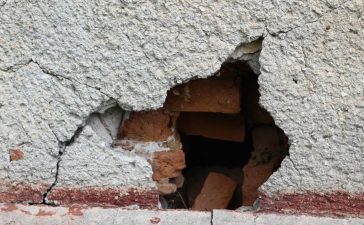
Cracks along the visible foundation
Several new cracks appearing near one another
The way a crack changes over time may provide valuable information. Take a photo when you first notice it and compare the area again after several weeks or months.
When cracks continue to widen or appear alongside other structural changes, House Foundation Repair may become worth discussing with a qualified foundation professional.
Sticking Doors and Windows May Reveal Movement
Doors and windows depend on square, stable openings to operate properly. When part of a structure moves, those openings may shift slightly.
You may notice a bedroom door that suddenly rubs along the top of its frame or a window that requires more force to open. A latch that once lined up perfectly may no longer meet the strike plate.
Other warning signs include visible spaces between frames and walls or doors that swing open without being pushed.
Humidity and worn hardware can produce similar symptoms, so a single difficult door is not necessarily a foundation issue. Pay closer attention when several doors or windows start behaving differently over a similar period.
Look around the surrounding walls as well. Cracks above the opening, gaps along trim, or separation near the ceiling may provide additional clues.
Uneven Floors Deserve a Closer Look
Floors may also reflect movement taking place below the building.
Some changes are easy to spot. A room may appear to slope noticeably toward one side, or furniture may no longer sit level. Other changes are more subtle. You may feel a low area while walking across a room or notice flooring beginning to separate.
Tile may crack, wood planks may develop gaps, and sections of flooring may feel different underfoot.
Replacing damaged flooring alone may improve the appearance, but it does not address structural movement beneath it. House Foundation Repair focuses on the underlying cause when foundation movement is responsible for the change.
Compare the affected floor with nearby walls, doorways, and ceilings. Several symptoms appearing within the same area provide more useful information than one flooring problem by itself.
Gaps Between Building Materials May Signal Shifting
Walls, ceilings, cabinets, trim, and flooring are designed to meet along relatively consistent lines. When structural movement occurs, small separations may begin to appear.
You might notice a gap where an interior wall meets the ceiling. Cabinets may start pulling slightly away from the wall. Baseboards may separate from flooring, or exterior trim may develop visible spaces around windows.
Brick and siding also deserve attention. Look for sections pulling away from window frames or other exterior materials.
One small gap may come from normal material movement. A group of new separations appearing around the same time is more significant.
Pay attention to when these changes develop. Some foundation movement becomes more noticeable after long dry periods or heavy rainfall because changing soil moisture may affect the ground supporting the structure.
Water Around the Foundation Matters
Foundation conditions are closely connected to the soil surrounding a building. When too much water collects near the structure, soil may become saturated. In other situations, very dry soil may shrink.
Those changes may alter the support beneath or around a foundation.
Walk around the exterior after heavy rain. Look for water collecting near the building, downspouts discharging water beside the foundation, or low spots in the soil where puddles remain.
Plumbing leaks may also add unwanted moisture to the soil. An underground leak may go unnoticed while gradually changing conditions around part of the foundation.
Good drainage does not correct every structural problem, but identifying moisture issues is an important part of understanding why movement may be occurring. House Foundation Repair is more effective when drainage and soil conditions are considered alongside the visible damage.
Know When an Evaluation Makes Sense
You do not need to wait until foundation symptoms become severe before seeking more information.
An evaluation may be worthwhile when cracks continue to grow, several doors stop closing properly, floors develop noticeable slopes, or the same damage returns after repairs.
Before an inspection, gather any information you already have. Note when the changes began, which rooms are affected, and any recent plumbing or drainage issues.
Weather patterns may also matter. If changes seem more noticeable after heavy rain or an extended dry period, mention that observation.
The purpose of an evaluation is to understand what is happening beneath and around the structure. Some symptoms may have simple explanations, while others may indicate movement that warrants corrective work.
Conclusion
Foundation warning signs often develop gradually. Wall cracks, sticking doors, uneven floors, gaps between materials, and drainage problems may provide early clues that something around the structure has changed.
Instead of assuming every crack is serious, watch how symptoms develop and look for patterns across several areas. Documenting changes and investigating them early provides a clearer understanding of what may be happening before damage spreads further.
If you have noticed signs of foundation movement around your property, contact The Woodlands Foundation Repair Pros to discuss inspection and repair options suited to your foundation concerns.