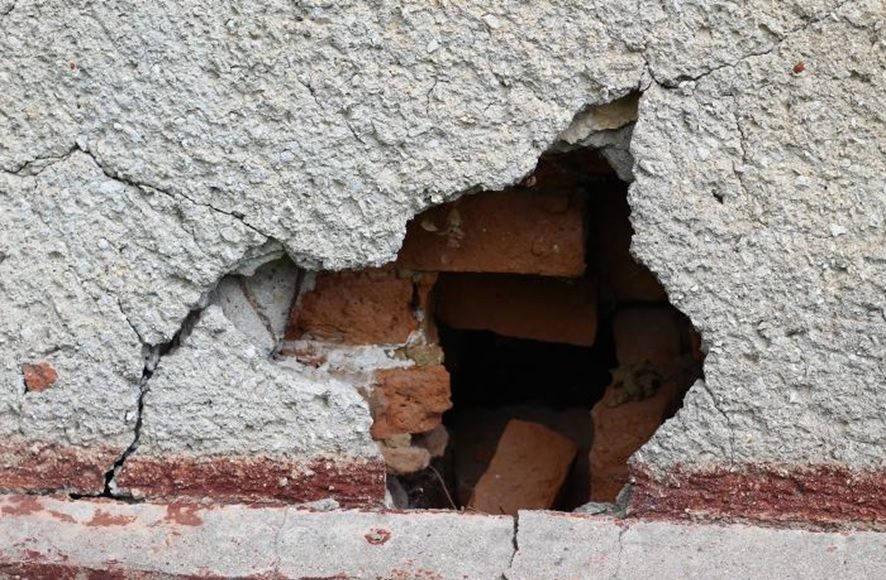
A thin foundation crack may look harmless when the surrounding wall stays dry. That may change after days of rain. Moisture may appear along the crack, staining nearby surfaces, or collecting at the edge of the floor. What seemed cosmetic may suddenly become a water problem.
Foundation Crack Repair may become important when cracks begin allowing moisture into basements, crawl spaces, or other areas below ground level. Water and foundation damage often occur together because the same conditions that create pressure around a structure can also make existing openings more susceptible to moisture intrusion.
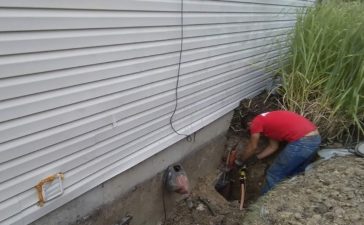
Understanding how cracks form, where water comes from, and which warning signs matter can make the problem easier to evaluate. When considering foundation crack repair in Springfield, OH, it is also important to look at drainage conditions around the foundation and how they may be contributing to the issue.
Why Foundation Cracks May Let Water Inside
Foundation walls sit against the soil surrounding a building. When that soil becomes wet, water may collect against the exterior surface. If a crack is present, moisture may follow that opening indoors.
Heavy rainfall is one common cause. Saturated soil may retain excess water after storms, increasing pressure against the surrounding exterior foundation walls. Poor grading may also send runoff toward the structure rather than away from it.
What Causes Foundation Cracks?
Foundation cracks may develop for several reasons, and the cause matters when deciding how to respond.
Some cracks form as concrete cures and shrinks. Others appear because a building settles slightly after construction. These cracks may remain stable and never become serious structural problems.
Soil movement may create a different situation. Expanding soil, dry soil that shrinks, erosion, or repeated moisture changes may place uneven pressure beneath or beside the foundation. Over time, that movement may create new cracks or cause existing ones to widen.
Hydrostatic pressure may also contribute when water collects in the soil around the structure. Foundation Crack Repair should consider why the opening developed rather than treating every crack as the same problem.
Moisture Leaves Clues Around the Crack
Water intrusion is not always dramatic. Sometimes the first clue is a dark line along the wall or a musty odor near one corner of the basement.
Other warning signs may include white mineral deposits, peeling paint, damp flooring, staining, or small puddles after storms. Metal items stored near the wall may also begin rusting if moisture remains in the area.
Inspect problem areas soon after heavy rain. Look closely at the crack, the wall below it, and the joint where the wall meets the floor. Taking photos may make it easier to compare conditions after different storms.
Drainage Conditions Matter
A crack is one possible entry point, but the amount of water around the foundation often determines how much moisture reaches it.
Gutters should direct roof runoff to downspouts, and downspouts should carry the water away from the structure. Soil around the building should generally slope outward rather than directing rainfall toward the wall.
Low areas near the foundation may allow water to collect. Plumbing leaks, irrigation issues, and poor surface drainage may cause similar problems.
Foundation Crack Repair may be more effective when these water sources are considered along with the crack itself. Reducing the water around the structure may decrease the pressure that pushes moisture toward weak points.
Some Crack Patterns Deserve Closer Attention
Not all cracks indicate the same level of concern.
A thin vertical crack may have formed due to normal shrinkage, while a horizontal crack across a basement wall may indicate pressure from surrounding soil. Stair-step cracks through concrete block or masonry may also suggest movement.
Look for cracks that widen, spread, or return after being patched. Multiple cracks in one area may be more significant than a single isolated line.
Other structural symptoms matter too. Bowing walls, uneven floors, sticking doors, or gaps near windows may suggest that the crack is part of a larger movement pattern.
Foundation Crack Repair may require a different approach when structural movement is involved. That is why evaluating the crack pattern and surrounding structure is more useful than simply sealing the visible opening.
Repeated Sealing May Not Fix the Real Problem
Patching a crack may improve appearance and may stop minor seepage in some situations. However, a crack that keeps reopening deserves another look.
If the foundation is still moving, a surface patch may split again. If water pressure remains high, moisture may find another path around the repair.
A repair plan based on these questions may address more than the visible symptom. Repeatedly covering the same crack without understanding the cause may lead to recurring leaks.
What to Expect From a Foundation Evaluation
A useful evaluation should look beyond the crack itself.
The surrounding wall, nearby floor, drainage conditions, moisture patterns, and other structural symptoms may all provide important information. Previous repairs may also show whether the problem has changed over time.
Before discussing repairs, gather any details you already have. Note when the crack appeared, whether it has widened, when water becomes visible, and whether leaks follow heavy rain.
The purpose of an evaluation is to connect the visible crack with the conditions around it. That makes it easier to understand which repairs may be appropriate and which contributing problems should also be addressed.
Conclusion
Foundation cracks and water intrusion often occur together because cracks can provide a path into the building, while drainage issues and soil pressure contribute to moisture buildup outside. Looking at only one part of the problem may cause important clues to go unnoticed.
Monitor cracks, inspect damp areas after storms, and pay attention to drainage around the structure. Early awareness may make it easier to recognize changing conditions and reduce the chance of moisture spreading into nearby materials.
If you are dealing with leaking foundation cracks or recurring moisture, contact Springfield Foundation Repair Pros to discuss foundation repair options for your property.