Commercial pavement works hard. Parking lots, driveways, loading areas, and access lanes handle vehicle turning, deliveries, changing weather, and repeated weight. Over time, even a surface may begin showing cracks, low spots, rough patches, or worn edges.
Commercial Paving gives Terrell businesses a practical way to create durable surfaces designed around traffic levels, drainage, and daily use. The right approach depends on more than appearance because each part of a property may experience different types of stress.
For businesses dealing with worn parking lots, driveways, or access lanes, commercial paving in Terrell can provide a practical way to improve surface condition and support daily traffic.
Parking Lots Take More Stress Than They Appear To
A parking lot may look simple, but different areas experience different levels of wear. Vehicles brake, turn, accelerate, and stop in the same places daily. Entrances, exits, intersections, and driving lanes often receive more stress than individual parking spaces.
Traffic volume matters, but vehicle weight matters too. A lot used by passenger vehicles may perform differently from one used by delivery or service vehicles.
Commercial Paving should account for these differences instead of treating the lot the same way. High-use lanes may require more thorough preparation than lightly traveled areas.
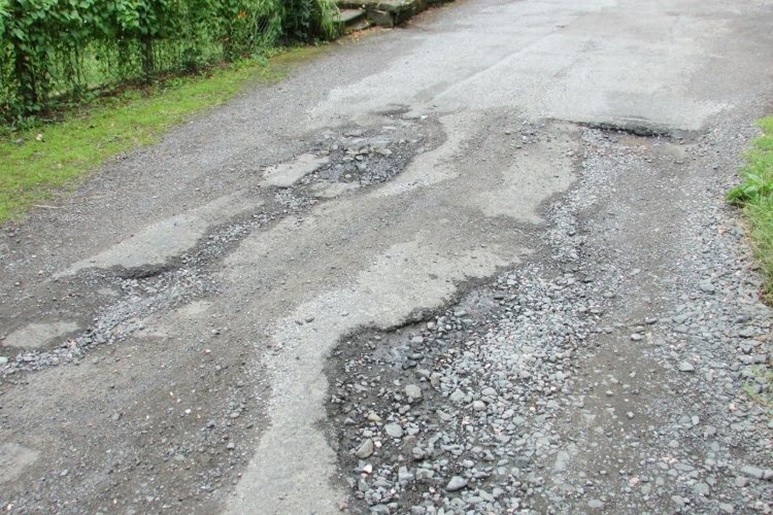
Property managers should watch for cracks, depressions, loose aggregate, worn striping, and standing water after rain. These signs may show where traffic or drainage is putting extra strain on the pavement.
Commercial Driveways Face Concentrated Traffic
Driveways often carry every vehicle through the same narrow path. That repeated loading creates stress near entrances, turning points, and transitions between surfaces.
Edges may begin breaking down where tires repeatedly pass close to the side. The area where asphalt meets a street, sidewalk, or concrete apron may become vulnerable if the transition is uneven or poorly supported.
Width, base strength, surface thickness, and drainage all influence how well a driveway performs. Delivery routes deserve special attention because heavier vehicles may create greater pressure on the pavement.
Inspecting these areas regularly may reveal problems before they spread into larger sections. Early cracks, settlement, or edge damage often provide useful clues about what is happening below the surface.
High-Traffic Areas Depend on a Strong Base
The visible asphalt is only one part of the pavement system. The material beneath it provides the support needed to handle traffic and weight.
A weak or poorly compacted base may contribute to rutting, depressions, cracking, and potholes. Surface repairs may improve appearance for a while, but recurring damage may return if the underlying support remains unstable.
Commercial Paving in heavily traveled areas often requires grading, base preparation, and compaction before the asphalt is placed. Loading zones, service entrances, and truck routes may need attention because they experience concentrated loads.
Surface condition alone does not always reveal what is happening underneath. When damage keeps returning in the area, deeper support problems deserve a closer look.
Drainage Has a Major Effect on Pavement
Water is an important factor to consider around paved areas. When water collects on the surface, it may seep into cracks and reach the layers below.
Low spots, poor slope, blocked drains, and damaged edges may allow moisture to stay in contact with the pavement longer than it should. Over time, those conditions may contribute to weakening and repeated surface damage.
The easiest time to spot drainage problems is often shortly after heavy rain. Walk the property and note puddles, slow-draining sections, and areas where runoff crosses the pavement.
Drainage planning should be part of the paving process from the beginning. Correcting slope or runoff issues before new asphalt is installed may reduce recurring wear later.
Repair or Replacement Depends on Damage Depth
Not every damaged surface needs to be removed and rebuilt. Minor cracking, isolated potholes, or general wear may respond to repair or resurfacing when the base remains stable.
More serious problems include widespread alligator cracking, deep potholes, large sunken sections, and repeated repairs that fail quickly. These conditions may point to problems below the surface.
Paving decisions should focus on why the damage developed, not just how it looks. A new surface over an unstable base may look better temporarily, even as the same problems persist underneath.
The right approach depends on overall pavement condition, intended use, traffic, drainage, and the depth of deterioration.
Match the Pavement to the Vehicles
Passenger cars and heavy trucks create different levels of stress. A parking area designed for light vehicles may not perform the same way if delivery trucks, trailers, or waste collection vehicles begin using it.
Loading areas, dumpster pads, service lanes, and tight turning points often receive concentrated pressure. These areas may need stronger support or different planning than standard parking spaces.
Property managers should think about future traffic as well as current use. If a site may receive heavier vehicles later, that information is useful before paving begins.
Planning around real traffic patterns may reduce premature wear and create a surface better suited to everyday operations.
Maintenance Begins After Installation
New pavement still needs regular attention. Small problems are usually easier to manage before they become larger ones.
Look for new cracks, edge damage, potholes, depressions, changes in drainage, and faded markings. Keeping the surface clean makes developing damage easier to spot.
Commercial Paving should be viewed as a long-term investment supported by routine inspection and maintenance. Watching how the surface changes over time provides useful information about traffic patterns, drainage, and areas that may need attention.
Conclusion
Parking lots, driveways, and high-traffic areas each place different demands on pavement. Traffic volume, vehicle weight, drainage, base stability, and existing damage all influence how a surface should be repaired or built.
Looking beyond visible cracks and considering how each area is actually used leads to better planning. Careful preparation and regular maintenance may extend the useful life of paved surfaces and reduce repeated problems.
If your pavement is showing signs of wear, contact Terrell Paving Company to discuss its condition and explore paving options for your property.