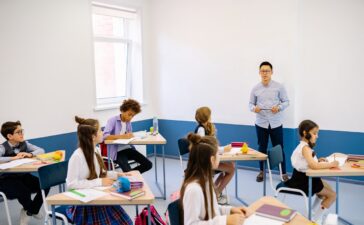
For decades, traditional educational systems operated on a one-size-fits-all model. Teachers delivered uniform lectures to classrooms of twenty to thirty students, assigned identical homework, and evaluated everyone using standardized examinations. While this structure allowed schools to educate large populations efficiently, it inherently overlooked the unique learning styles, pacing requirements, and intellectual strengths of individual learners.
Personalized learning reverses this rigid dynamic. By tailoring instruction to match the specific needs, interests, and skill levels of each student, personalized learning transforms education from a passive, compliance-based chore into an engaging, self-directed journey. Supported by modern educational technologies, data-driven analytics, and flexible instructional methodologies, personalized education equips students with the knowledge, confidence, and self-awareness needed to thrive in an increasingly complex world.
Defining the Core Mechanics of Personalized Learning
Personalized learning is not simply about letting students do whatever they want in a classroom. Instead, it is a structured instructional framework that adjusts learning pathways, instructional approaches, and content delivery based on individual student profiles.
In a personalized learning environment, educators construct detailed profiles for learners that track academic strengths, areas for growth, personal interests, and preferred learning styles. Instruction is then calibrated across three key axes:
-
Pacing: Students move through concepts at their own speed. Those who master a topic quickly advance to advanced material, while those who struggle receive targeted remediation without falling behind the rest of the class.
-
Pathways: Learners exercise autonomy in choosing how they master learning objectives. A student might choose to demonstrate mastery through a research paper, a multimedia presentation, an engineering project, or a practical portfolio.
-
Pedagogy: Instructional methods adapt to the learner. Educators provide visual diagrams, auditory lectures, tactile hands-on exercises, or interactive digital modules depending on what resonates best with the student.
By harmonizing these elements, personalized learning ensures that educational content meets students exactly where they are developmentally.
Key Benefits of Personalized Learning for Students
The shift from standardized instruction to personalized learning yields profound cognitive, emotional, and practical benefits for learners across all grade levels.
Enhanced Engagement and Internal Motivation
When curriculum materials reflect real-world applications aligned with a student personal interests, learning becomes meaningful rather than abstract. Traditional instruction often struggles to maintain student interest because the material feels disconnected from their daily lives or personal aspirations.
Personalized learning connects core academic standards to subjects students already care about. For instance, a physics concept like momentum can be explored through competitive sports, automotive design, or video game physics depending on individual student preferences. When students see their interests reflected in their schoolwork, intrinsic motivation rises, leading to higher attendance, deeper class participation, and greater retention of complex concepts.
Accelerated Academic Growth and Mastery-Based Advancement
In conventional classrooms, the clock dictates progress. A teacher might spend two weeks on fractions before moving on to decimals, regardless of whether every student has understood the material. Students who miss foundational concepts build subsequent knowledge on shaky ground, leading to compound academic deficits over time.
Personalized learning relies on a mastery-based progression model. Students demonstrate proficiency in a skill before moving forward. This structure produces two distinct academic outcomes:
-
Elimination of Knowledge Gaps: Struggling students receive continuous, focused intervention until they master foundational concepts, preventing long-term academic frustration.
-
Elimination of Academic Ceilings: High-achieving students are not forced to wait for their peers. They can accelerate through standard curricula, engage in independent research projects, or enroll in college-level coursework early.
Fostering Self-Directed Learning and Agency
Modern careers demand self-reliance, adaptability, and continuous skill acquisition. Traditional schooling often conditions students to be passive recipients of instruction, waiting for explicit directives from an authority figure before acting.
Personalized learning builds student agency from an early age. Learners actively participate in setting their own academic goals, tracking their personal progress metrics, and managing project deadlines. By reflecting on their study habits and identifying where they need extra support, students develop essential metacognitive skills. They learn how they learn best, transforming them into proactive, lifelong learners capable of navigating independent study and workplace environments.
Cultivation of Critical 21st-Century Soft Skills
While academic knowledge remains crucial, workplace success increasingly depends on soft skills like problem-solving, time management, critical thinking, and communication. Personalized learning environments naturally nurture these competencies through project-based tasks and self-managed schedules.
-
Time Management: Students learn to prioritize tasks, allocate study hours, and meet deadlines when working through individualized weekly contracts or choice boards.
-
Problem-Solving: Instead of memorizing pre-packaged answers for tests, students tackle open-ended, inquiry-based questions tailored to their skill level.
-
Self-Advocacy: When students take ownership of their learning pathways, they learn to articulate their academic needs clearly, seeking out mentorship and resources independently.
Increased Equity and Inclusivity for Diverse Learners
Standardized classrooms often marginalize students with non-traditional learning needs, including English language learners, neurodivergent students, and those with learning differences like dyslexia or ADHD. In a traditional setting, these students are frequently labeled as slow or disengaged simply because the delivery method fails to accommodate their learning mechanics.
Personalized learning levels the playing field by embedding accessibility directly into the instructional delivery. Digital tools can immediately convert text to speech, adjust reading comprehension levels, offer visual aids, or provide alternative assessments without singling out individual students. Every student receives a customized learning path as a baseline expectation, creating an inclusive atmosphere where neurodiverse learners can excel without stigma.
The Role of Educators in a Personalized Environment
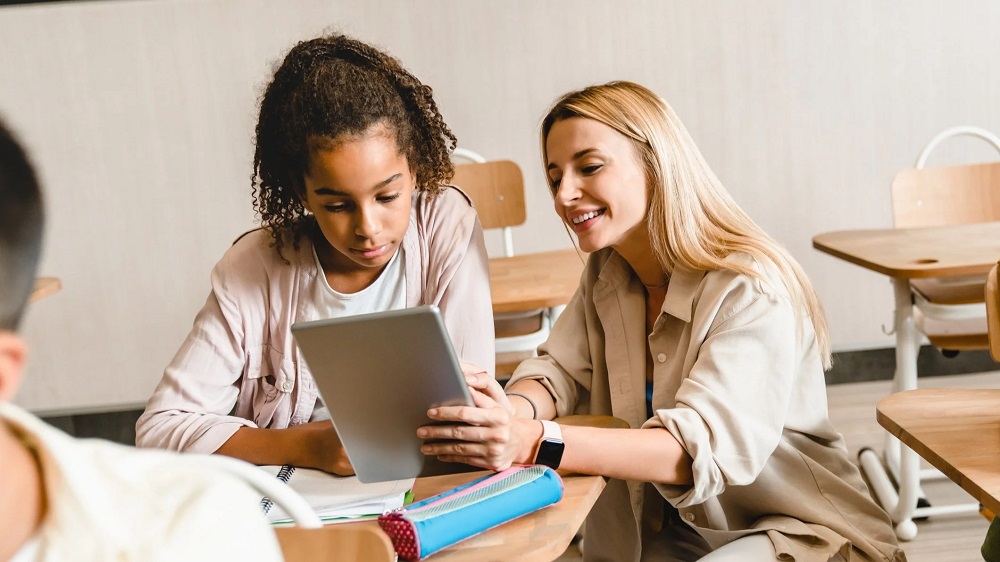
A common misconception is that personalized learning reduces the need for human teachers, replacing classroom instruction with automated software programs. In reality, personalized learning elevates the teacher role from a static lecturer to a high-value instructional coach and mentor.
While intelligent tutoring systems and adaptive software handle routine content delivery and diagnostic tracking, teachers focus on high-impact educational interactions. Freed from repetitive lecturing, educators can perform specific, meaningful roles:
-
Conducting small-group targeted interventions for students struggling with specific concepts.
-
Providing one-on-one academic counseling and mentoring.
-
Designing authentic, inquiry-based projects that foster creative application of knowledge.
-
Guiding collaborative team projects that build interpersonal communication and social-emotional skills.
The human connection between teacher and student becomes stronger in a personalized framework, as educators spend more time working directly with individual learners on their specific goals.
Overcoming Implementation Challenges
While the benefits of personalized learning are substantial, implementing it across schools requires deliberate planning, strategic professional development, and adequate infrastructure.
School districts transitioning to personalized frameworks must address several operational factors:
-
Teacher Training: Educators require continuous professional development to master data-driven instruction, adaptive software management, and classroom management strategies for flexible learning spaces.
-
Technology Infrastructure: Reliable hardware, high-speed internet connectivity, and robust data privacy frameworks are essential to support adaptive learning platforms effectively.
-
Parent and Community Orientation: Parents accustomed to traditional grades and uniform homework assignments need clear communication regarding how personalized progress tracking, standards-based grading, and student portfolios function.
When schools address these foundational requirements thoughtfully, the transition to personalized learning yields sustainable long-term gains in student achievement and school culture.
Frequently Asked Questions
How does personalized learning differ from individualized and differentiated learning?
Differentiated learning involves a teacher adjusting the delivery method or speed of a uniform lesson for different groups of students. Individualization adjusts the pace of learning while keeping the goals identical for everyone. Personalized learning combines both approaches while going a step further by involving students directly in designing their learning pathways, setting goals, and selecting subjects aligned with their interests.
Does personalized learning require every student to use a computer or tablet all day?
No, technology is simply an enabling tool, not the core of personalized learning. While software platforms help track student data and deliver adaptive content, effective personalized learning balanced with hands-on projects, small-group teacher instruction, peer collaborations, physical reading materials, and oral presentations.
How are social skills and teamwork preserved in an individualized learning environment?
Personalized learning does not mean students work in total isolation. Flexible scheduling allows teachers to group students dynamically based on shared interests or complementary skill sets for collaborative projects. Students frequently work in peer-led teams, developing strong interpersonal communication, negotiation, and teamwork abilities.
How do standardized tests measure progress in a personalized learning framework?
While personalized learning emphasizes mastery-based assessments and portfolios, students in these programs consistently perform well on standardized tests. Because personalized instruction ensures deep understanding of foundational concepts before moving forward, students develop higher retention rates and critical thinking skills that translate directly into test readiness.
Is personalized learning suitable for young elementary students, or only older learners?
Personalized learning benefits students of all ages. In early elementary grades, personalization manifests through guided reading choices, learning stations tailored to foundational math skills, and play-based learning choices. As students mature, they take on greater responsibility for setting goals and managing multi-step independent projects.
How do teachers manage a classroom where every student is working on something different?
Teachers utilize structured systems such as weekly learning contracts, clear rubric guidelines, choice boards, and digital learning management platforms. These tools establish clear expectations and daily goals for students, allowing the teacher to circulate, observe, conduct small-group sessions, and provide targeted support where it is needed most.
How does personalized learning prepare students for college and future workforce demands?
College and modern career environments require high degrees of self-motivation, time management, independent research capability, and adaptability. By teaching students how to manage their schedules, advocate for their learning needs, apply feedback, and solve complex problems independently, personalized learning provides direct preparation for higher education and professional life.