A little moisture in a basement may not seem urgent. A damp corner after heavy rain or a faint musty smell may be easy to overlook, especially when the rest of the basement appears dry. Over time, though, repeated exposure to water may damage flooring, drywall, insulation, stored belongings, and other materials.
Basements sit below ground level, which puts their walls and floors close to wet soil and groundwater. Rainfall, drainage conditions, cracks, and pressure in the surrounding soil may all contribute to moisture problems. Interior Basement Waterproofing gives Bay City residents a practical way to manage unwanted water before it creates more serious damage.
For persistent moisture concerns, interior basement waterproofing in Bay City, MI may provide a practical way to manage water and protect basement materials from repeated damage.
Where Does Basement Water Come From?
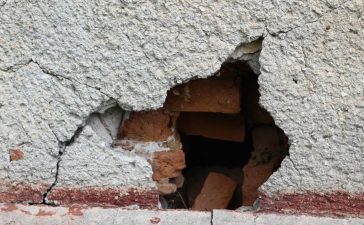
Basement moisture does not always enter through one obvious opening. Water may travel through cracks in a foundation wall, seep through joints where the floor meets the wall, or move through porous masonry.
Groundwater may also place pressure against basement walls and floors. This pressure, often called hydrostatic pressure, may push moisture toward cracks, joints, and other weak points.
Other possible sources include leaking basement windows, plumbing problems, condensation, clogged gutters, and drainage that directs water toward the foundation.
Pay attention to when and where moisture appears. A damp wall that develops after heavy rain may point to a different issue than a puddle that appears near a plumbing fixture. Taking photos and noting changes after storms may make patterns easier to recognize.
How Interior Basement Waterproofing Manages Water
Rather than simply covering a damp wall, Interior Basement Waterproofing focuses on collecting and controlling water that reaches the inside of the foundation.
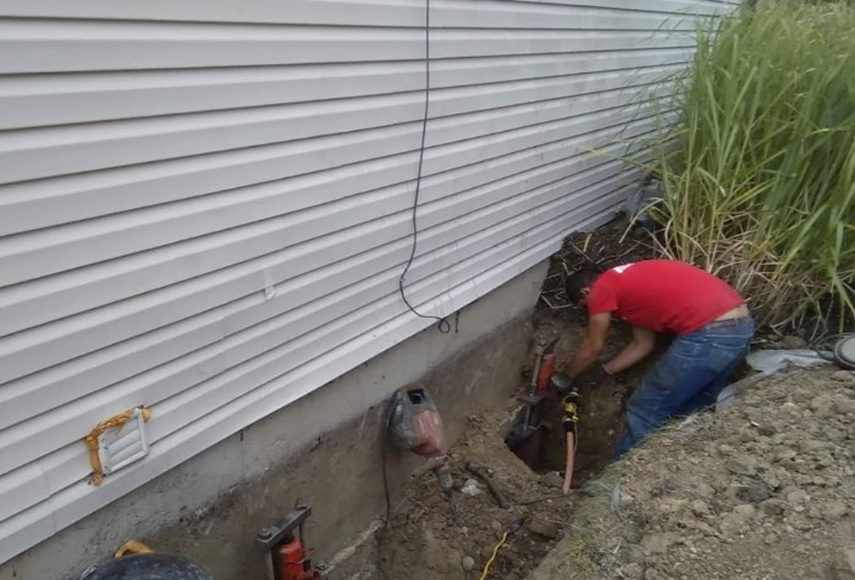
One common method is to install a drainage channel or drain tile system along the basement perimeter. Water enters the drainage system and moves toward a sump pit. A sump pump then sends the collected water away from the basement.
Some systems also use wall membranes or vapor barriers. These materials direct moisture down the wall toward the drainage system rather than allowing it to spread across finished surfaces.
Cracks may also need individual repair when they provide a clear entry point for water. The exact setup depends on the basement, the source of moisture, and how much water is entering.
The important part is understanding how the system manages water from entry to discharge. Covering stains with paint may improve appearance for a short time, but it does not correct the reason moisture keeps returning.
Moisture May Damage More Than Basement Walls
Water exposure may affect many materials commonly found below ground level.
Drywall may soften or stain. The carpet may remain damp after a leak. Wood framing may absorb moisture. Insulation may lose its usefulness when repeatedly exposed to water. Boxes, furniture, electronics, and stored belongings may also suffer damage if water spreads across the floor.
Interior Basement Waterproofing may reduce repeated cleanup and replacement costs by managing moisture before it reaches larger portions of the basement.
Some warning signs are easy to miss at first. Watch for peeling paint, white mineral deposits on masonry, rusty metal, warped flooring, damp carpeting, dark stains, or a musty odor that keeps returning.
These conditions do not automatically mean major repairs are needed, but they are worth investigating. A small warning sign may give you valuable information before a larger water event occurs.
A Drier Basement Gives You More Ways to Use the Space
Basements often serve many purposes. Some people use them for storage, while others turn them into recreation rooms, offices, gyms, workshops, or finished living areas.
Moisture may limit those possibilities. It is difficult to feel comfortable installing new flooring, furniture, drywall, or storage systems when water has previously entered the basement.
Interior Basement Waterproofing may provide a more stable starting point before making cosmetic improvements downstairs.
Water control should usually come before finishing work. Installing new flooring over a damp slab or painting a wall that continues to absorb moisture may hide visible symptoms without correcting the underlying issue.
Before investing in upgrades, look closely at the foundation walls, floor joints, corners, and areas near windows. Signs of previous water entry may still be visible even when the basement feels dry.
Why Early Attention May Reduce Future Repair Costs
Basement water problems may spread when conditions change.
A crack that only leaks during a strong storm today may allow more water inside later if soil becomes saturated. A small puddle near one wall may eventually reach flooring, drywall, or stored items if the amount of water increases.
Early attention gives you more information and more options.
Document where the water appears, how much enters, and how long the area stays damp. Look for patterns after rain and check nearby gutters, downspouts, grading, windows, and plumbing.
You do not need to wait for standing water to take moisture seriously. Damp surfaces, mineral deposits, peeling coatings, and recurring odors may all point to conditions worth evaluating.
Choosing a Waterproofing System That Fits the Problem
There is no single basement waterproofing setup that fits every building.
Before moving forward with Interior Basement Waterproofing, determine where the moisture is entering and how often it occurs. Consider the amount of water present, existing drainage, foundation condition, and any sump pump or drainage system already installed.
Ask how a proposed system collects water, where the water travels, and how it leaves the basement. Understanding those steps makes it easier to compare different approaches.
It is also useful to think about how you use the basement. A finished space with flooring and furniture may have different concerns than an unfinished storage basement.
The right approach should focus on the actual moisture pattern rather than simply covering visible stains.
Conclusion
Basement moisture is often easier to manage when you notice the warning signs early. Damp walls, cracks, staining, odors, puddles, and damaged materials all offer clues about what may be happening around the foundation.
Learning how water enters and where it travels gives you a clearer picture of the problem. From there, you may explore a waterproofing system designed around the conditions in your basement rather than waiting for repeated water damage.
If moisture has started appearing in your basement, contact Total Foundation Repair Bay City to discuss practical waterproofing options for your space.