A roof problem often starts with something small. You might notice a water stain on the ceiling, a few missing shingles, or debris in the yard after a storm. The harder question is figuring out what comes next. Is the issue small enough to fix, or is the roof reaching a point where replacement makes more sense?
Roof Repair may be the right choice when damage is limited to a smaller area and the rest of the roofing system remains in good condition. In other cases, frequent leaks, widespread wear, or advanced age may point toward replacement instead.
When considering roof repair in CT, look at the roof as a whole. Its age, wear, moisture damage, and repair history all matter.
Start With the Age of the Roof
Roof age is one of the first details worth considering.
Every roofing material has an expected service life, although weather exposure, installation quality, ventilation, and maintenance may affect how long it lasts. A relatively new roof with one damaged area may still have years of useful life ahead. In that situation, replacing the entire system may not make sense.
An older roof requires a different conversation.
If the roofing materials are nearing the end of their expected lifespan, a repair may address one immediate issue, only for another problem to develop soon after. Previous repairs also matter. A roof that has already needed several repairs may be showing broader wear rather than a single isolated defect.
Age does not automatically mean replacement is necessary, but it gives important context when combined with visible damage and repair history.
Look at How Much of the Roof Is Damaged
The size and location of the problem may tell you a great deal.
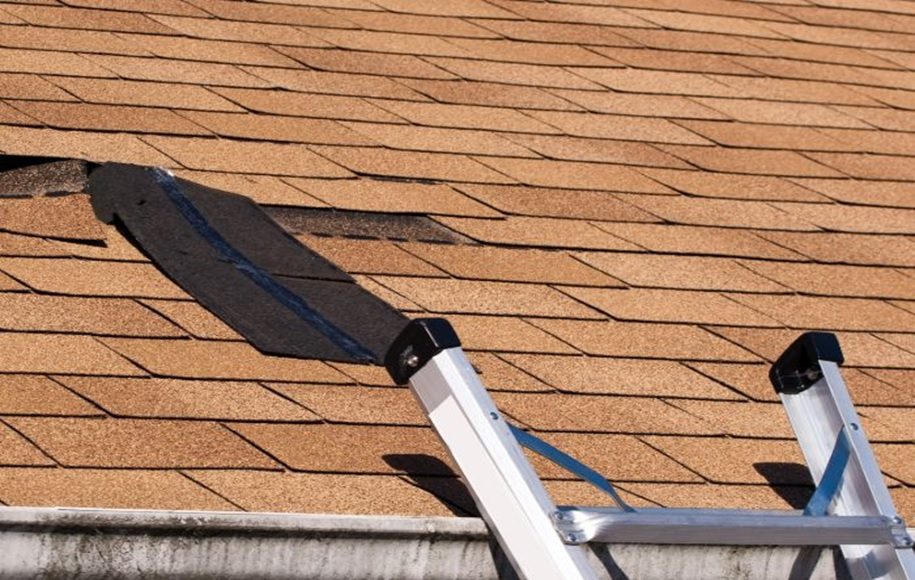
Localized issues often include a few missing shingles, damaged flashing near a chimney, a small leak around a vent, or storm damage limited to one section. Roof Repair may be practical when the surrounding roofing materials remain stable, and the problem has not spread.
Widespread deterioration is different.
Look for curling or cracked shingles across several roof slopes, large areas with missing granules, repeated leaks in different rooms, or visible wear across most of the surface.
A roof showing damage in many locations may no longer be dealing with one repairable problem. Instead, several parts of the roofing system may be reaching the same stage of wear at once.
Understanding whether the issue is isolated or widespread is one of the clearest ways to narrow down your options.
Pay Attention to Repairs That Keep Coming Back
One roof leak does not always mean a major problem, but repeated leaks deserve closer attention.
Think about how often work has already been completed. Has the same area leaked more than once? Have water stains appeared in different rooms? Have new problems started soon after previous work was finished?
A pattern of recurring issues may suggest that the roof is wearing down beyond one small section.
Repeated Roof Repair may become less practical as new problems continue to appear in different areas. The cost of several smaller fixes may also begin to approach the cost of more extensive work.
Keep records of previous repairs if possible. Photos, invoices, and notes about when leaks occurred may give a roofing professional a better picture of the roof’s history.
That information may also make it easier for you to compare short-term fixes with longer-term options.
Check the Condition of the Roofing Materials
The roof surface may show signs of broader wear.
Shingles that are curling, cracking, loosening, or losing large amounts of granules may no longer be performing as they once did. Flashing around roof penetrations may also corrode or separate over time.
Some of these problems may respond well to Roof Repair, especially when caught early and limited to one part of the roof.
The situation changes when similar wear appears almost everywhere. Widespread material breakdown may indicate that the roofing system is aging as a whole rather than suffering from one isolated defect.
Compare Immediate Cost With Long-Term Value
Cost often plays a major role in the decision between repair and replacement.
A smaller fix usually requires less money upfront. That may be the practical choice when the roof is still in good condition overall and the damaged area is limited.
However, the least expensive option today may not be the least expensive over several years.
If a roof requires frequent repairs, those costs may begin to add up. Repeated work may also become frustrating when new leaks or damaged areas continue appearing.
When comparing your options, consider the roof’s age, how many repairs have already been made, and how much of the surface is deteriorating.
Also consider how long you plan to stay in the building. A short-term repair may fit one situation, while a longer-term investment may make more sense in another.
Know When a Roof Evaluation Is Worthwhile
Some roofing problems are difficult to judge from the ground.
A professional evaluation may provide useful information when you are unsure how extensive the damage is or whether the underlying materials remain sound.
Ask specific questions during an inspection.
Find out where the damage is located, how far it extends, and whether the roof deck or other materials are affected. Ask how much useful life may remain in the surrounding roof.
You may also want to ask if previous repairs are still performing properly and if the current problem appears isolated.
Clear explanations make it easier to understand why a particular option is suggested, rather than making a decision based on appearance alone.
Conclusion
Choosing between repair and replacement usually requires more than spotting a single damaged shingle or a single ceiling stain. Roof age, repair history, material condition, recurring leaks, and hidden moisture all provide important information.
Look at the roof as one connected system rather than focusing on a single visible problem. When you understand how widespread the damage is and how the rest of the roof is performing, it becomes easier to choose an option that makes sense for both your current needs and future plans.
If you are unsure what your roof needs next, contact The Connecticut Roofers to discuss your roofing concerns and learn more about available repair and replacement options.